Bromley Council rules for hedge cutting in Elmstead gardens: a practical guide for homeowners and gardeners
If you are trying to make sense of Bromley Council rules for hedge cutting in Elmstead gardens, you are probably dealing with one of two things: a hedge that has started to look a bit wild, or a boundary line that has become awkward with a neighbour. Either way, it is one of those garden jobs that sounds simple until you start asking who is responsible, how much you can cut back, and what happens if branches cross the boundary. Truth be told, it can get messy quickly.
This guide breaks the topic down in plain English. You will learn how local expectations usually work, what sensible hedge-cutting practice looks like in a Bromley setting, how to stay on the right side of neighbourly relations, and when professional help makes life easier. If you want a tidy finish without guesswork, this is the place to start.
Quick expert summary: the safest approach is to confirm ownership, cut only what you are allowed to cut, protect nesting wildlife, and keep the job neat enough that the hedge recovers well. When there is any doubt, pause and check before taking a saw to it. That small pause can save a lot of grief later on.
Why Bromley Council rules for hedge cutting in Elmstead gardens matters
Hedge cutting is not just about keeping the front of the house tidy. In Elmstead, where gardens often sit close together and boundary hedges can do a lot of heavy lifting, the way you cut matters for privacy, light, safety, and neighbour relations. A hedge can be the green line that keeps a garden feeling calm. It can also be the source of a surprisingly heated chat over a fence on a Saturday morning.
Local rules and general UK gardening practice matter because hedges can affect sightlines, footpaths, shared boundaries, and wildlife habitats. Even if no one has formally complained, a hedge that grows out over a pavement or into a neighbour's space may cause friction fast. The aim is not to be legalistic for the sake of it. The aim is to keep things sensible, tidy, and fair.
There is also a practical side. Poorly timed or badly executed hedge cutting can stress the plant, leave gaps, reduce flowering, or weaken the structure over time. A hedge that is hacked back too hard can look neat for a week, then awkward for months. Let's face it, no one wants a lopsided screen staring back at them from the patio.
For local homeowners, landlords, and gardeners, understanding the Bromley context helps you make better decisions about maintenance schedules, boundary issues, and whether the job is a light trim or a more involved reduction. If you also manage other garden tasks, it can make sense to combine hedge work with regular garden maintenance or professional gardening services so the whole space stays in step rather than fixing one bit at a time.
How Bromley Council rules for hedge cutting in Elmstead gardens works
In practice, hedge cutting in Elmstead usually comes down to a mix of property ownership, common sense, and seasonal timing. Bromley Council may become relevant where a hedge affects a public highway, pavement access, visibility, or a nuisance complaint. But for most residential gardens, the first question is simpler: whose hedge is it?
If the hedge is on your land, you are generally responsible for maintaining it. If it sits on a boundary, matters become more delicate. The best move is to check deeds, boundary markers, or historic maintenance patterns before making cuts that might overstep. Small uncertainty can snowball. A hedge that leans over the line is not always the same thing as a hedge you own end to end.
There is also the seasonal wildlife angle. In UK gardening, hedge cutting is usually approached with care during bird nesting season. That does not mean you must never cut hedges at certain times, but it does mean you should inspect carefully for nests and avoid disturbing active wildlife. This is one of those areas where patience pays. You do not want a tidy finish at the expense of a bad outcome.
From a council perspective, issues tend to arise when a hedge:
- obstructs a public pavement or road sightline
- spills over and creates trip or access problems
- becomes a neighbour dispute because of encroachment
- is allowed to grow beyond a manageable height or width
For hedges that are more than basic trim jobs, it helps to think in terms of structure. A light shaping cut is not the same as a reduction cut, and a reduction is not the same as replacing a hedge entirely. That distinction matters because the timing, tools, and finish all change. If the hedge is tangled with dead material or has become far too dense, a deeper reset may be needed. In those cases, a service like hedge trimming can be combined with careful planning, or even tree surgery if larger woody growth is part of the issue.
Key benefits and practical advantages
Following good hedge-cutting practice in Elmstead is not just about compliance. It gives you a garden that works better day to day. There is a real difference between a hedge that has been maintained regularly and one that gets a dramatic rescue every two years. Regular care is calmer, cheaper in the long run, and easier on the plants.
Practical advantages include:
- better privacy without allowing overgrowth to take over
- clearer paths, driveways, and boundaries
- improved appearance from the street and garden side
- less risk of neighbour disputes
- healthier growth and a more even shape
- fewer awkward, heavy cuts later on
There is also a subtle benefit people often overlook: a well-managed hedge makes the whole property feel looked after. That can matter if you are renting, planning to sell, or simply trying to keep your home feeling calm rather than slightly scruffy around the edges. You will notice it most on dull mornings, when the hedge line is crisp and the whole place just feels more ordered.
If your wider garden needs sorting too, hedge work often pairs neatly with lawn care, lawn mowing, or even fencing if the boundary needs a reset. That combination can transform how a garden functions, not just how it looks.
| Approach | Best for | Main advantage | Main downside |
|---|---|---|---|
| Light regular trimming | Healthy, established hedges | Neat finish and easier upkeep | Needs consistency |
| Seasonal shaping | Hedges that grow quickly | Controls size without harsh cuts | Can miss hidden damage |
| Harder reduction work | Overgrown or neglected hedges | Brings structure back | More stressful for the plant |
| Professional maintenance plan | Busy households or larger gardens | Reliable timing and finish | Higher ongoing cost |
Who this is for and when it makes sense
This topic is relevant to a lot more people than you might think. Homeowners in Elmstead with front or rear boundary hedges need it. So do landlords, tenants, and property managers where hedge upkeep has drifted into a "we really should deal with that" kind of situation. If you have a hedge shared with a neighbour, or one bordering a pavement, it matters even more.
It also makes sense for anyone dealing with the practical side of a garden refresh. Maybe the hedge has grown shaggy after a wet spring. Maybe you have just moved into a property and the outside space needs a proper reset. Or perhaps you want the garden to feel more private before summer evenings start. That is a very normal reason, by the way. There is something about sitting outside in the first warm spell and noticing every little overhang all at once.
For some homes, hedge cutting is part of a broader tidy-up after works or seasonal neglect. In those cases, a wider service such as garden clearance may be more efficient than tackling hedge material alone. If the property has hard landscaping nearby, a hedge job can also be planned alongside landscaping or landscape gardening so the whole space feels coherent.
This is also for people who simply do not want the hassle of risky ladders, blunt tools, hedge clippings everywhere, and the question of where to start. Nothing glamorous about dragging green waste through the kitchen side gate. Been there, seen it, cleaned it up.
Step-by-step guidance
Here is a sensible way to approach hedge cutting in Elmstead without overcomplicating it. The goal is steady, tidy, compliant work. No drama.
- Check ownership and boundaries. Before any cut, make sure you know whether the hedge is entirely yours, shared, or adjacent to a neighbour's garden. If the line is unclear, do not guess.
- Inspect the hedge carefully. Look for bird nests, dead branches, disease, leaning sections, or areas where the hedge has become thin. A quick walk-around can save a lot of surprises.
- Decide the type of cut. Is it a light trim, a shape correction, or a significant reduction? The more severe the cut, the more careful the planning needs to be.
- Choose the right timing. Avoid disturbing active nesting wildlife and try to work when the hedge is dry enough for a clean cut. Wet foliage can make trimming sloppy and heavy.
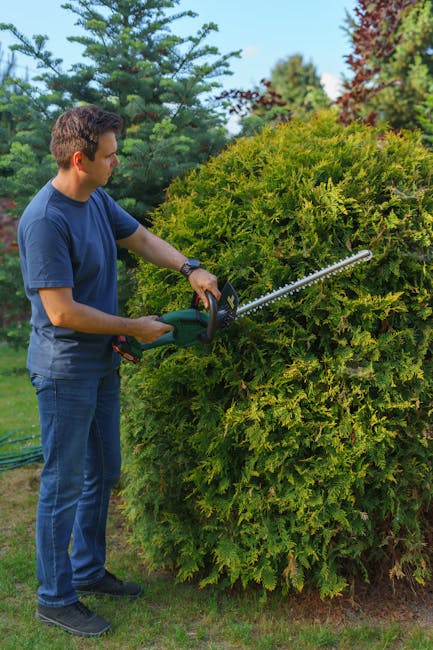
- Use the correct tools. Sharp, suitable hedge trimmers, loppers, and hand tools will give a far better finish than forcing dull kit through thick growth.
- Work from the top down with control. Keep the shape balanced, step back regularly, and check for symmetry. You do not want to discover a wonky side only after the final cut.
- Clear waste as you go. Hedge cuttings can become slippery and awkward fast. Bag them, compost them if appropriate, or arrange responsible removal.
- Review the result from both sides. A hedge often looks different from the street than it does from the garden. Check both viewpoints before calling it done.
A small but useful tip: if a hedge is near a patio, clean the hard surface after cutting, because tiny leaves and twig fragments can make paving slick. A post-trim tidy with patio cleaning can make the whole area safer and much more presentable.
Expert tips for better results
Good hedge cutting is part skill, part restraint. The temptation is always to take just a little more off, then a little more again. That is usually how a neat hedge starts looking a bit harsh. Step back often. Seriously, every few minutes if you can.
Useful expert habits:
- trim on a dry day where possible so the cut is cleaner and the hedge is easier to read visually
- remove dead or damaged sections first, then shape the living growth
- keep the base slightly wider than the top so lower growth still gets light
- avoid overcutting into old bare wood unless the species is known to respond well
- keep tools sharp and clean to reduce tearing and spread of disease
- dispose of waste promptly so the site stays safe and usable
If you are trimming tall or awkward hedges, do not push your luck with unstable ladders. It sounds obvious, but people still do it. A safer approach is to use proper equipment or bring in experienced help. If the hedge is tangled near trees or larger woody stems, it may sit better within a broader package of tree lopping and removal rather than treating it as a simple hedge-only task.
Another good habit is to agree the finish before you start. With neighbours, this is particularly helpful. A quick conversation about height, width, and access can avoid that awkward moment when someone says, "I thought you were only taking a bit off." A bit off to one person is a lot to another. Funny how that works.
Common mistakes to avoid
Most hedge-cutting problems are preventable. They happen when people rush, cut too much, or assume the hedge behaves like a lawn. It doesn't. Hedges are alive, and they have opinions, if you will.
- Cutting without checking ownership. This is the classic mistake. Boundary hedges can turn into boundary disputes very quickly.
- Ignoring wildlife checks. Always inspect carefully before cutting, especially during nesting season.
- Taking too much off at once. Heavy reduction can leave a hedge sparse, stressed, or ugly for a long time.
- Using blunt or unsuitable tools. Ragged cuts heal poorly and make the job harder than necessary.
- Forgetting the neighbour side. A hedge may look neat from your side and messy from the other. That is never a good surprise.
- Leaving waste piled up. It can block access, attract dampness, and make the area feel half-finished.
- Not planning the aftercare. Some hedges need watering, feeding, or a follow-up trim to settle into shape.
In a local residential setting, one of the easiest mistakes is treating hedge cutting like a one-off chore rather than part of ongoing garden care. Regularity matters. If the hedge is already close to getting out of hand, pairing the work with ongoing maintenance is usually the calmer, smarter option.
Tools, resources and recommendations
You do not need a shed full of specialist gear to keep a hedge in good shape, but having the right basics makes a real difference. The right tool for the right cut keeps the result tidy and reduces the chance of damaging the plant.
Commonly useful tools:
- manual hedge shears for light shaping and detail work
- electric or battery hedge trimmers for regular residential trimming
- secateurs for finer cuts and smaller stems
- loppers for thicker woody growth
- gloves and eye protection for safety
- a tarpaulin or garden sheets for easier waste collection
For households that prefer not to store equipment or spend time on routine upkeep, professional help is often the most practical route. Services such as hedge trimming and garden maintenance can be used on their own or as part of a seasonal plan. If your boundary is combined with posts, panels, or worn timber, it may also be worth looking at fencing to get the structure around the hedge back into good order.
And do keep safety in mind. It is easy to focus on the green part and forget the awkward bits underneath. Hidden bricks, broken edging, old wire, and uneven ground can all make hedge work more difficult than it looks on paper. A careful first inspection helps more than people realise.
Law, compliance, standards, or best practice
Because hedge cutting can overlap with property boundaries, wildlife, and public access, a sensible compliance mindset is important. This is not about being overcautious. It is about doing the job properly and reducing the risk of avoidable problems.
In the UK, good practice usually means:
- confirming land ownership or responsibility before cutting
- avoiding disturbance to active bird nests and other wildlife
- keeping pavements, driveways, and access routes safe during work
- working within any relevant neighbour agreements or lease terms
- using equipment safely and ensuring the operator is competent
Where a hedge creates an issue beyond a private garden, local authority expectations may come into play. That can include obstruction, nuisance, or maintenance standards around public space. If you are unsure whether a situation has become a formal matter, it is best to seek clarification before taking action. A rushed cut can solve one problem and create two more. Slightly annoying, but true.
For households prioritising safe practice, it also helps to choose a provider with clear operational standards. You can review health and safety policy information, see how insurance and safety are handled, and understand service expectations through the terms and conditions. Those pages do not cut the hedge for you, of course, but they do help set a trustworthy baseline.
Options, methods, or comparison table
Not every hedge needs the same approach. The right method depends on the hedge species, height, how overgrown it is, and how much time you have. Below is a simple comparison to help you choose sensibly.
| Method | What it involves | Best suited to | Why people choose it |
|---|---|---|---|
| Light hand trimming | Careful shaping with shears | Small hedges or detail work | Precise finish and low impact |
| Powered trimming | Using hedge trimmers for a fast, even cut | Regular domestic hedge maintenance | Efficient and tidy when done well |
| Reduction work | Cutting back height or spread more significantly | Overgrown hedges | Restores usable size |
| Professional garden visit | A planned service visit for hedge and related work | Busy households or larger plots | Reliable finish and less hassle |
In many Elmstead gardens, the best answer is not choosing one method forever. It is using a combination over the year. A lighter spring trim, a tidy summer pass, and a more considered autumn review can keep a hedge in good condition without the shock treatment. That steady rhythm just works better most of the time.
Case study or real-world example
A typical Elmstead-style scenario might go like this: a homeowner notices that a front hedge has started spilling onto the pavement and the garden feels narrower every week. From the street, it still looks "fine", but the path beside it is becoming awkward for pushchairs and pedestrians. The owner also spots a few bare patches from previous rough cutting.
Instead of taking everything back in one go, the hedge is assessed first. The boundary is confirmed, deadwood is removed, and the trim is planned as a gradual shape correction rather than a harsh reset. The lower section is kept slightly wider, the top is reduced only enough to restore balance, and the cuttings are cleared immediately. The result is not dramatic in a flashy sense. It is better than that. It is calm, neat, and sustainable.
In a follow-up visit later in the season, the hedge is maintained rather than rebuilt. That is the difference between constant recovery work and proper upkeep. If the same property also needed the surrounding beds tidied, a combined visit with gardening services would likely be the more efficient route. Sometimes the smartest job is the one that avoids a second round of mess.
Practical checklist
Use this checklist before you start hedge cutting in Elmstead. It keeps the job focused and reduces the chance of surprises.
- Confirm who owns or maintains the hedge
- Check for shared boundaries or neighbour concerns
- Inspect for nests, wildlife, and hidden damage
- Decide whether the work is a trim, shape, or reduction
- Choose a dry, suitable day if possible
- Use sharp, safe, appropriate tools
- Protect nearby paving, planting, and fences
- Clear clippings as you go
- Review the hedge from both sides
- Plan the next maintenance date before you forget
If your garden has become a bit of a tangle overall, not just the hedge, it may be worth tackling the whole space in one go with garden clearance before setting a lighter maintenance rhythm. That can be a relief, honestly. Starting fresh often makes the rest feel manageable again.
Conclusion
Getting Bromley Council rules for hedge cutting in Elmstead gardens right is less about memorising every possible rule and more about using good judgment. Confirm the boundary, respect wildlife, cut in a way the hedge can recover from, and keep neighbour communication open. That is the heart of it.
Once you understand the basics, hedge work becomes much less stressful. You stop guessing. You start planning. And the garden looks better for it, which is really what most people want anyway. No drama, no patchy aftermath, just a hedge that quietly does its job.
Get a free quote today and see how much you can save.
A tidy hedge can change the feel of a whole garden, and sometimes that small green line is the bit that makes everything else come together. It is a simple job on the surface, but done well, it brings a little peace back to the space.
Frequently Asked Questions
What are the main Bromley Council rules for hedge cutting in Elmstead gardens?
In practice, the main concerns are boundary responsibility, public access, and avoiding nuisance or obstruction. If a hedge affects a pavement, road, or neighbour's property, it needs more care than a simple private trim. Always check ownership first and cut cautiously.
Can I cut a hedge that hangs over my side of the boundary?
Usually you can trim back overhanging growth on your side, but only up to the boundary and ideally without damaging the hedge's health. If the hedge belongs to a neighbour or sits on a shared line, it is best to discuss it before doing anything major.
Is there a best time of year to cut hedges in Elmstead?
The best timing depends on the hedge species and what kind of cut it needs. As a general UK practice, people avoid disturbing nesting birds and choose dry days for cleaner results. A lighter, regular trim is often better than a severe cut once in a while.
Do I need permission to cut my own hedge?
For a hedge fully on your own property, permission is usually not needed. But if the hedge is shared, near a public area, or part of a leasehold arrangement, there may be extra considerations. When in doubt, check before cutting.
What happens if my hedge blocks the pavement?
If a hedge encroaches onto a pavement or creates an access issue, it can become a maintenance or compliance concern. The sensible answer is to trim it back promptly and keep it under control so people can pass safely and comfortably.
Can hedge cutting damage the plant?
Yes, if you cut too hard, at the wrong time, or with blunt tools, the hedge may become sparse or stressed. A careful trim preserves structure and helps the hedge recover well. The plant always tells on rough handling sooner or later.
Should I hire a professional for hedge cutting?
If the hedge is tall, overgrown, close to boundaries, or awkward to reach, hiring a professional is often the safer and faster option. It also helps when you want hedge work combined with wider garden maintenance or clearance.
How do I know if my hedge is shared with a neighbour?
Check the property deeds, boundary markers, or long-standing maintenance patterns. If the answer still feels uncertain, have a calm conversation with the neighbour. That small chat can save a lot of awkwardness later.
What should I do with hedge cuttings?
Clear them promptly so they do not block access or create a slipping hazard. Depending on volume and setup, clippings may be composted, bagged, or removed as part of a garden clearance visit.
Are there special safety concerns with hedge cutting?
Yes. Watch for unstable ladders, hidden debris, sharp tools, and uneven ground. If the hedge is near fences, patios, or trees, work carefully and make sure the area is safe before starting.
What if the hedge is part of a larger garden overhaul?
Then it is often smarter to treat hedge work as one part of the project rather than a standalone task. Combining it with landscaping, fencing, or general garden maintenance can save time and produce a more cohesive result.
How often should I trim a residential hedge?
That depends on growth rate and hedge type, but most residential hedges do better with regular light maintenance than with long gaps between heavy cuts. A steady rhythm keeps the shape cleaner and the work easier.