Recycling and Sustainability for Gardeners Elmstead
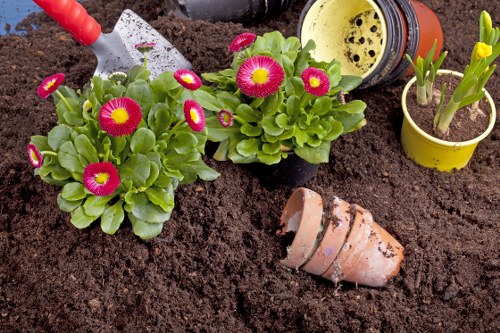 Gardeners Elmstead is built around a practical, low-waste approach to outdoor care, combining responsible site habits with a clear focus on sustainable gardening. From green waste separation to smarter vehicle choices, our work is shaped by everyday decisions that reduce environmental impact while still keeping gardens tidy, healthy, and well maintained. A key part of this commitment is our recycling percentage target: we aim to divert at least 85% of suitable garden waste and reusable material away from landfill through sorting, composting, recycling streams, and repurposing where appropriate. That target helps guide how we collect, process, and route material from each job.
We also recognise that recycling in Elmstead is influenced by the wider borough approach to waste separation. Across local areas, household and commercial waste is increasingly sorted into distinct streams such as green waste, mixed recyclables, paper, metals, and residual rubbish. Our team mirrors that mindset on site by keeping organic material separate from non-organic debris, which supports cleaner recycling outcomes and makes it easier to direct the right materials to the right facilities. In practice, this means fewer contaminants in green loads and a better chance of recovery for usable matter.
 One of the most important parts of our recycling and sustainability work is choosing the right local transfer stations. By using nearby facilities wherever possible, Gardeners Elmstead recycling operations can reduce journey distances, lower fuel use, and keep waste moving efficiently. These transfer points help us sort and consolidate material before it enters the wider recycling chain. For garden projects, that often includes branches, hedge trimmings, turf, soil, leaves, and general site clearance waste. Local handling also supports a more responsive system, especially when projects generate mixed volumes that need careful separation before final processing.
We place particular emphasis on green waste recovery because so much of it can be turned into something useful again. Garden waste recycling may involve chipping woody cuttings for mulch, sending clean green waste for composting, or separating soil and hardcore from organic matter so each stream can be treated properly. In boroughs where collection rules differ, careful segregation matters even more, and our crews are trained to follow those local expectations. This approach reduces contamination, supports local recycling infrastructure, and makes our work more sustainable from the outset.
 Our sustainability programme also extends beyond waste handling. We partner with charities and community-focused groups to give suitable items a second life, rather than disposing of them unnecessarily. Usable plant pots, surplus timber, functional tools, and selected outdoor materials may be directed to charitable reuse partners when appropriate. This helps extend the lifecycle of resources, reduces pressure on disposal routes, and supports organisations that can pass those items on to people who need them. In some cases, recovered garden materials can even support community growing projects, local green spaces, or education initiatives that promote responsible environmental habits.
Low-carbon vans are another central part of our sustainability strategy. Gardeners Elmstead is gradually updating its transport approach by using more efficient vehicles with reduced emissions, improved load planning, and route optimisation that cuts unnecessary mileage. These low-carbon vans are especially useful for routine maintenance visits, where repeated travel can otherwise create a significant footprint. By matching vehicle choice to the job size and by consolidating collections whenever possible, we keep our operational emissions lower without compromising reliability.
Beyond transport, the practical side of recycling for gardeners in Elmstead includes careful material sorting on every job. Soil that can be reused is kept apart from waste that must be removed, while stone, brick fragments, plastics, and metal fixtures are separated where possible before processing. This matters in areas where borough waste rules encourage strict separation, because a cleaner load is easier to recover and more likely to avoid landfill. We also pay attention to packaging waste from products used on site, helping ensure that cardboard, plastics, and other recoverable items are handled through suitable recycling channels.
Our recycling and sustainability standards are not treated as an optional extra; they are part of how the service is delivered day to day. When a project involves pruning, clearance, planting, or seasonal tidying, we consider how to reduce waste at the source, reuse what can be reused, and recycle what remains. That may mean selecting reusable containment options, avoiding single-use materials where alternatives exist, or planning jobs so green waste can be collected efficiently. These choices create a cleaner, more responsible service for gardens of every size.
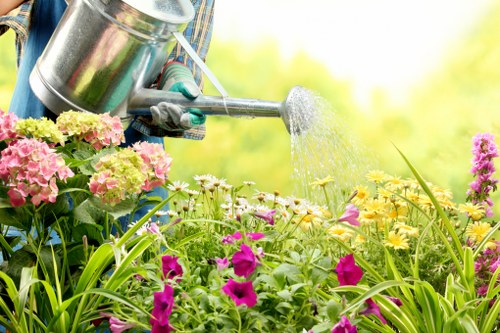 Another important aspect of garden recycling in Elmstead is education through action. By demonstrating careful sorting, responsible disposal, and measured use of resources, we help normalise more sustainable habits in outdoor work. Our crews are mindful of local expectations around waste separation and the different treatment required for organic and non-organic material. This is especially relevant in boroughs where recycling systems depend on residents and contractors keeping streams clean and well identified. Through consistent practice, we support those systems rather than adding strain to them.
We also look for opportunities to support circular use of materials whenever suitable. For example, healthy pruning cuttings can be chipped into mulch, leaf waste can be routed for composting, and selected timber offcuts may be reused for simple garden applications. Even when disposal is unavoidable, the goal remains the same: reduce the amount sent to landfill and send each material to the most appropriate local route. That is why our recycling percentage target remains a practical benchmark rather than a slogan.
 In the longer term, sustainable gardening depends on steady improvements rather than one-off changes. Gardeners Elmstead continues to refine its vehicle efficiency, waste separation routines, and partnerships with local recycling and charitable networks so that each project leaves a lighter footprint. Whether we are clearing a border, pruning a hedge, or managing a larger garden overhaul, the same principle applies: handle materials carefully, keep recoverable waste in circulation, and choose systems that support the environment as well as the landscape.